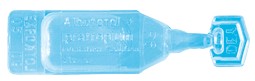
DuoNeb
What is COPD?
Do I Have COPD?
Treatment Options
The DuoNeb Advantage
Living Better with COPD
Resources
Glossary
A | B| C | D | E | F | G | H | I | J | K | L | M | N | O | P | Q | R | S | T | U | V | W | X | Y | Z
A
Acetylcholine: a chemical that contracts the muscles around the airways.
Airways: another term for the bronchial tubes in the lung.
Albuterol: a commonly prescribed bronchodilator for people with COPD.
Alveoli: the small air sacs in the lungs. Oxygen passes from the alveoli into the blood and carbon dioxide passes from the blood back into the lungs.
Anticholinergic: a type of bronchodilator that relaxes the muscles allowing the bronchial tubes to expand.
Asthma: a temporary spasm of the muscles surrounding the bronchial tubes. Asthma can be reversed by bronchodilators.
B
ß2-agonist: a type of bronchodilator that relaxes the muscles allowing the bronchial tubes to expand.
Bronchial tubes: also known as airways, the system of tubes that carry air through the lungs and carbon dioxide out of the lungs.
Bronchodilator: a medication that expands the diameter of the bronchial tubes making breathing easier.
C
Carbon dioxide (CO2): the waste product of breathing that is exhaled by breathing out.
Chronic bronchitis: one of the two conditions included under the definition of COPD . Chronic bronchitis is a permanent inflammation of the bronchial tubes that makes breathing in more difficult.
Combination therapy: taking more than one bronchodilator at a time to help relieve symptoms of COPD.
Congestive heart failure: a coronary condition that shares some symptoms with COPD.
COPD: Chronic Obstructive Pulmonary Disease, a progressive condition of the lungs that makes breathing more difficult. COPD includes both emphysema and chronic bronchitis.
Corticosteroids: medications that reduce inflammation in the airways that carry air to the lungs (bronchial tubes). They also decrease the mucous made by the bronchial tubes and make it easier to breathe.
D
Dry powder inhaler (DPI): a mechanism that delivers powdered medication to the lungs.
E
Emphysema: one of the conditions included in COPD, emphysema affects the alveoli, making it more difficult to breathe out.
Exacerbations: acute periods of illness in people with COPD. Exacerbations can be caused by infections, such as pneumonia.
F
FEV: Forced Expiratory Volume, a measurement by a spirometer of the amount of air the lungs can hold.
FEV1: Forced Expiratory Volume in 1 second, a measurement by a spirometer of the amount of air the lungs can hold.
FVC: Forced Vital Capacity, a measurement by a spirometer of the amount of air the lungs can hold.
G
Glucocorticoid: an inhaled steroid that often helps to reduce inflammation of the bronchial tubes.
I
Inhaler: a device that delivers medication directly to the lungs.
Ipratropium: a commonly prescribed bronchodilator for people with COPD.
M
Metered dose inhaler (MDI): a medication delivery device that provides a specific amount of medication with each use.
Methylxanthine: a type of bronchodilator derived from tea and used primarily by those for whom other bronchodilators are not effective.
Mucous: secretions produced in the bronchial tubes to remove foreign particles from the lung.
N
Nebulizer: a device that turns medications into a fine mist for delivery to the lungs.
O
Oxygen (O2): the element that energizes the body’s chemistry.
P
Pulmonary function test: a test using a spirometer to measure the how well the lungs take air in and breathe carbon dioxide out.
S
Spirometer: a hand-held device that measures how well the lungs are functioning.
Sputum: mucous that is coughed up from the lungs.
T
Theophylline: a methylxanthine bronchodilator.
W
Wheezing: a sound sometimes made by people who have trouble breathing.
SAFETY INFORMATION   .   PATIENT PRESCRIBING INFORMATION   .   FULL PRESCRIBING INFORMATION
  .   CONTACT US   .   REFERENCES   .   SITE MAP
Please read this important safety information about DuoNeb®
DuoNeb® is indicated for the treatment of bronchospasm associated with COPD for patients requiring more than one bronchodilator. In a 12-week clinical study, the most common adverse reactions reported with DuoNeb® Inhalation Solution were chest pain, pharyngitis, diarrhea, bronchitis, nausea, and leg cramps.
Albuterol sulfate can have a significant cardiovascular effect, significant hypokalemia, and the potential life-threatening paradoxical bronchospasm. Caution is advised in patients with convulsive disorders, hyperthyroidism, diabetes mellitus, narrow-angle glaucoma, prostatic hypertrophy, or bladder-neck obstruction. Co-administration of DuoNeb® Inhalation Solution and other sympathomimetic agents may increase the risk of adverse cardiovascular effects.